
039 Defence force and aviation applications for wetblasting
Our Customers
Defence Force Customers
Raytheon
Australian Submarine Corp.
Australian Army
Australian Navy
RAAF
Boeing
Aviation Customers
Standard Aero (previously Pratt & Whitney)
GE Aviation
Pacific Turbine
Alliance Airlines
Hawker Pacific
Safran Helicopter Engines
Leonardo Helicopters
Asia Pacific Aerospace
And more
Why are they so popular with defence and aviation?
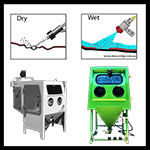
Dry Vs Wet Blasting
Dry blasting
Wet blasting
- Heat distortion
- Destruction of tolerances
- Poor finish that fingerprints easily
- Media impregnation into the part (a BIG negative when considering aircraft components)
- need to degrease/preclean before blasting
- DUST
- Simultaneous degreasing and rust inhibition
- Removes surface deposits , scale and light burrs
- Cleans plastic and rubber
- Gentle on mating surfaces and soft metals but powerful enough to remove paint and powder coating
- Water supression means no dust issues = safer
- Wider ranges of finishes available
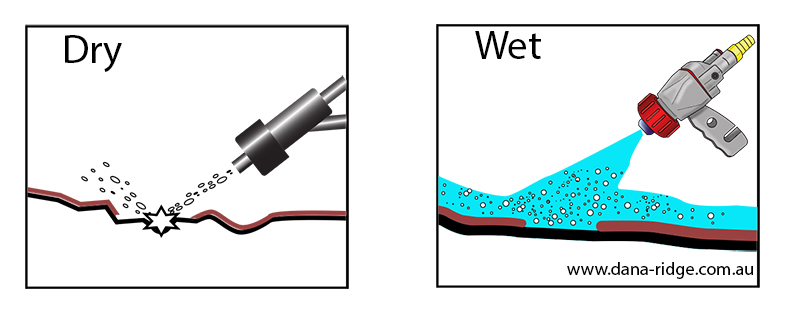
As you can see above, wet blasting is far superior when it comes to blasting important components used in the areas of aviation and defence.
When it comes to bringing parts back to life without destroying them in the process, wetblasting is the way to go.
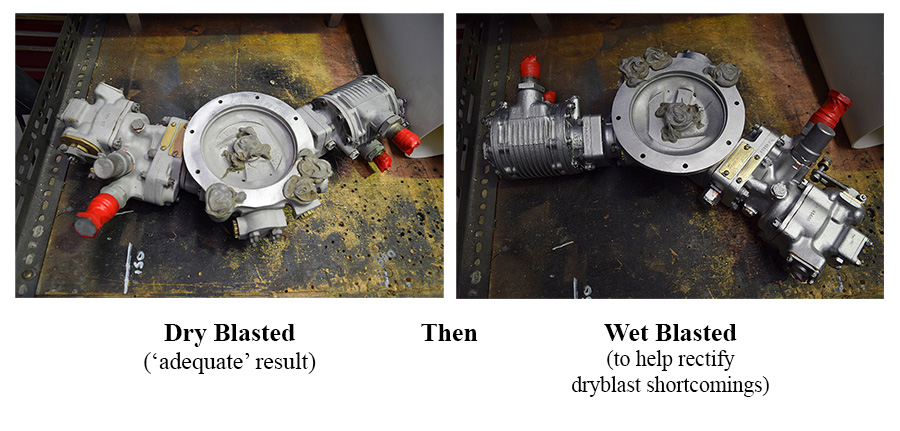
Nearly ruined with dry blasting this part from a vintage war plane was brought to us to see if we could improve the finish further. Although impossible to undo the damage caused by the dry process, we were able to improve it without doing further damage. You can see more about that by clicking the button below
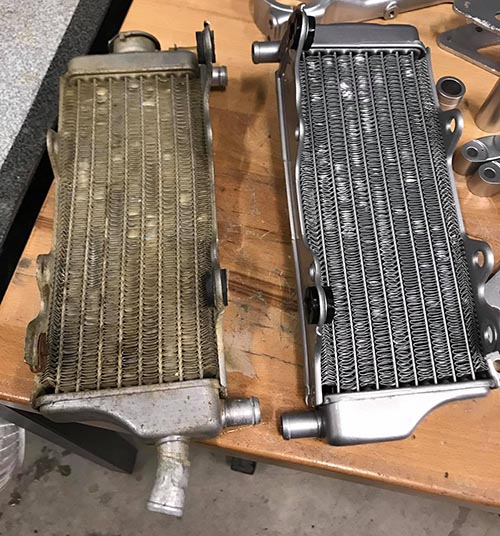
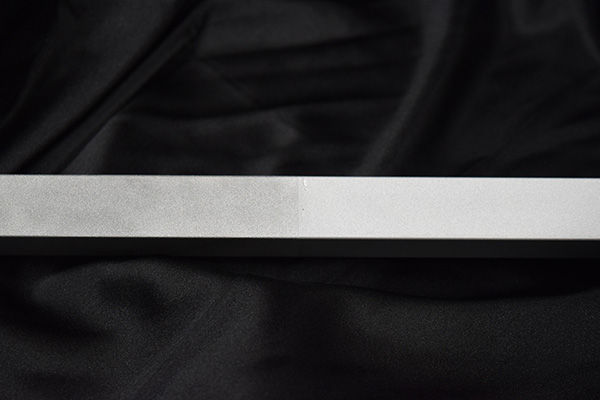
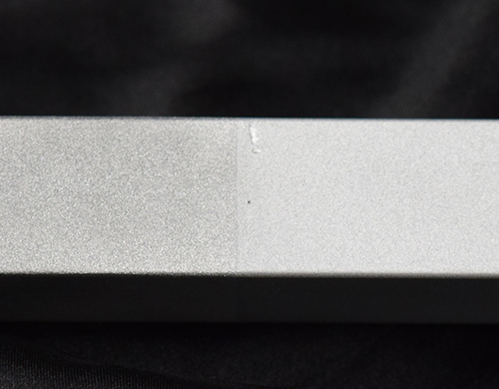
Aluminium square bar blasted with the same glass bead at the same pressure. Even using such a large bead the wet process leaves it for dead.
There's a machine to suit



The Process
Learn more about the Dana-Ridge Process